At the Mountain Blue Foundation, our purpose is simple to support people with dignity and care. As a charitable foundaiton,
we partner with local and international organisations to deliver programs that strengthen communities, improve wellbeing, and create pathways out of hardship.
Our work is divided into two key areas: Northern NSW and International programs, each focused on sustainable, measurable impact.
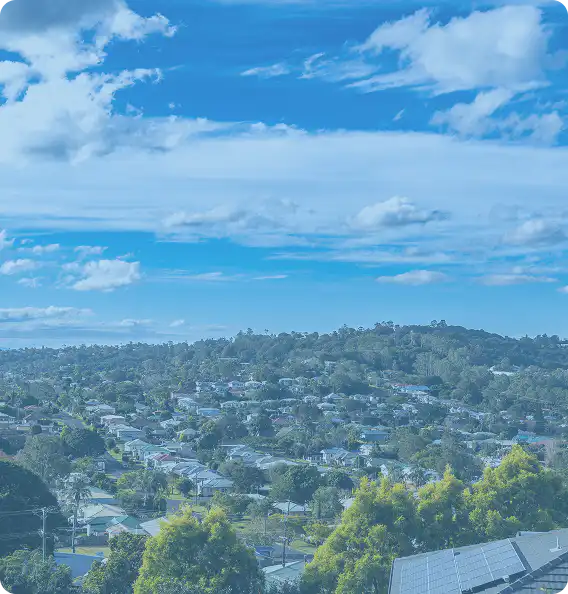
Our local programs focus on the communities closest to home, in the Northern Rivers region of New South Wales. Through practical initiatives and partnerships, we’re helping ensure that no one in our community is left behind.
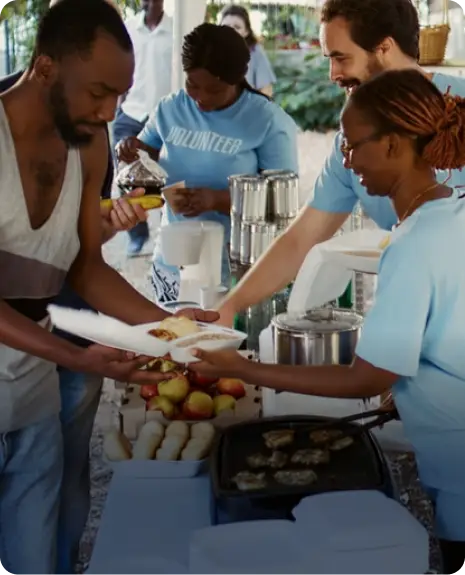
With increasing costs of living, more and more people in our local community are facing food insecurity. Many families are cutting their budgets, which often results both in reducing number of meals and meal quality.
Natural disasters in the Northern Rivers in recent years have exacerbated food insecurity. People who were already vulnerable before bushfires and catastrophic flooding find themselves even more vulnerable to food insecurity.
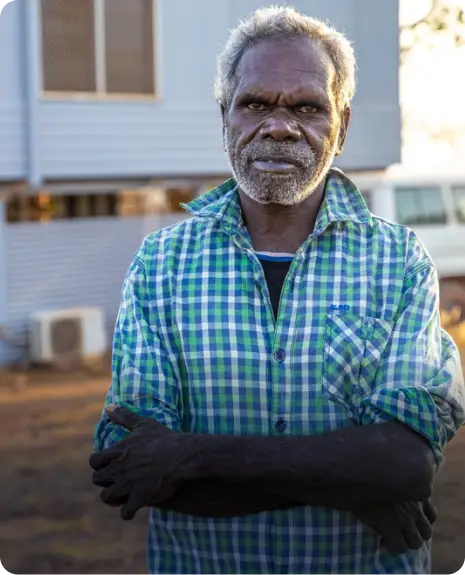
The average life expectancy for a person who has spent any significant time rough sleeping is up to 30 years below that of the average Australian.
Housing security and affordability is an issue facing people across Australia. In the Northern Rivers, the region’s rapid population growth, combined with limited housing development, has led to soaring property prices and rental costs. This has caused an increase in the number of rough sleepers.
The catastrophic flooding in 2022 caused severe damages to more than 1500 houses in Lismore. That had a reverberating effect on availability of affordable housing.
Many rough sleepers and people experiencing homelessness are forced to tell their story time and time again to different organisations and to navigate the complex and fragmented systems themselves. This can lead to people who are rough sleeping making the decision to disengage from services and remain on the streets.
It can take five years or more for a person sleeping rough to be provided with stable, permanent housing. Some people remain on the streets for more than twenty years.
The majority of people sleeping rough have one or more of the following support needs: Support for complex mental health issues, support for alcohol and other drug dependencies or support for chronic health conditions. It is estimated that less than one-in-five of the people who need these supports receive them.
In addition to these challenges, an even bigger issue for people sleeping rough can be loneliness and disconnection from society. These can lead to a loss of dignity and self-respect, which can lead to lifelong feelings of trauma.
The existing homelessness, housing, and health systems are confusing and complicated for people to navigate. Many people sleeping rough are left to navigate these systems alone, adding to their feelings of despair.
Our international work extends the Foundation’s heart for service beyond Australia. Most of our current programs operate in Africa, where we collaborate with trusted partners to deliver initiatives that promote health, education, and sustainable livelihoods.
These projects are built on long-term relationships and guided by respect for local leadership and culture, ensuring our impact is both ethical and enduring.
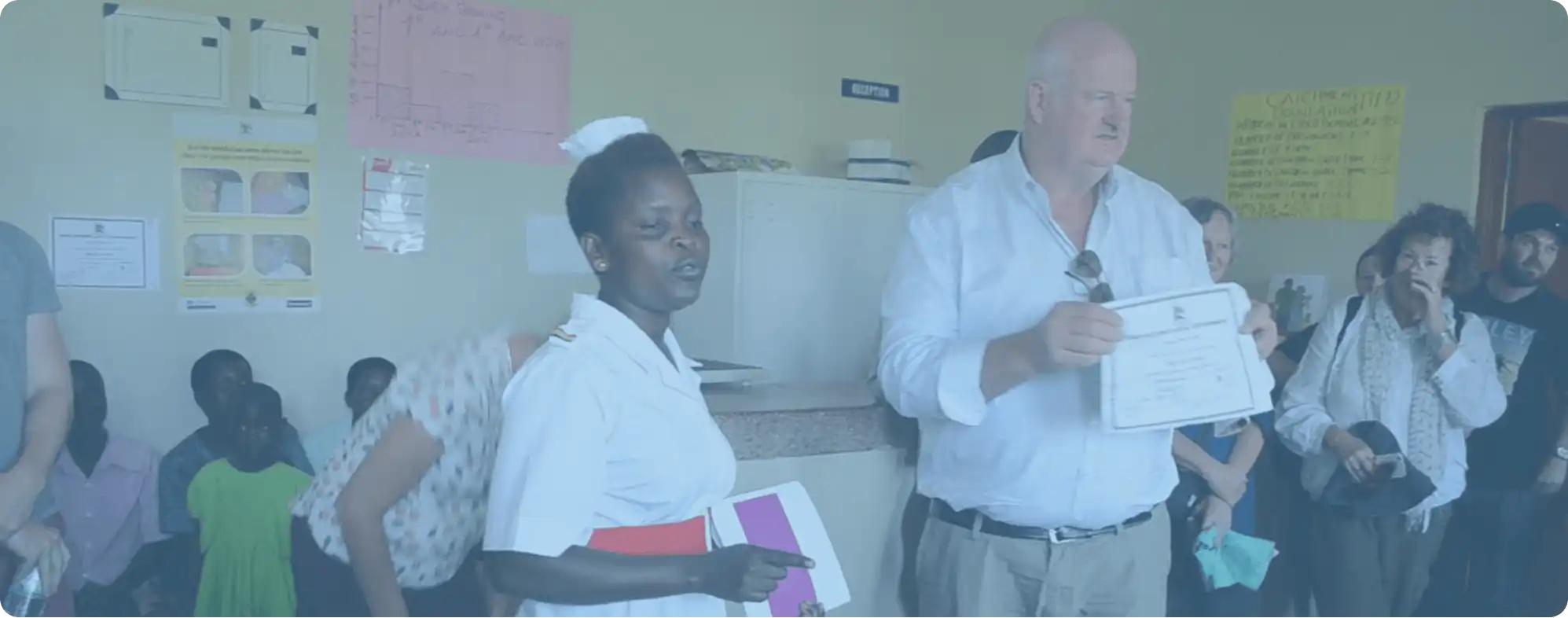
Improvements to health centres, including construction of health staff housing, water supply installation and improvements to inpatient and outpatient facilities, makes big differences in the communities.
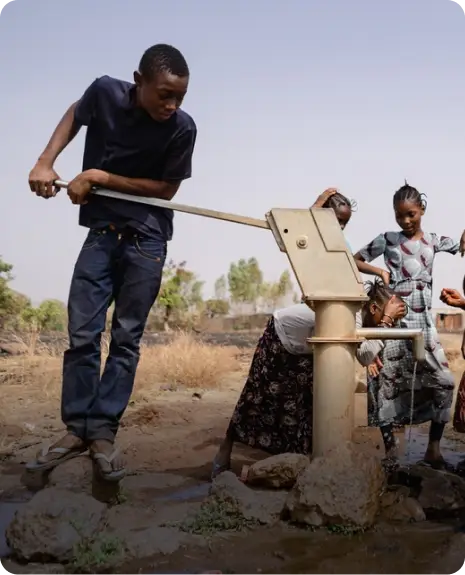
Communities have gained increased access to health services. This includes clean water at health centres, schools and in the wider community. In many communities where we support projects, the rates of maternal mortality and the prevalence of stunting among children under 5 years is notably higher than the national average.
Immediate actions are imperative to address these multifaceted challenges effectively. This includes prioritising comprehensive child development in schools, encompassing initiatives such as latrine construction, regular maintenance plans, water solutions, the provision of learning materials, and strengthening access to health and nutrition services for mothers, newborns, and children.
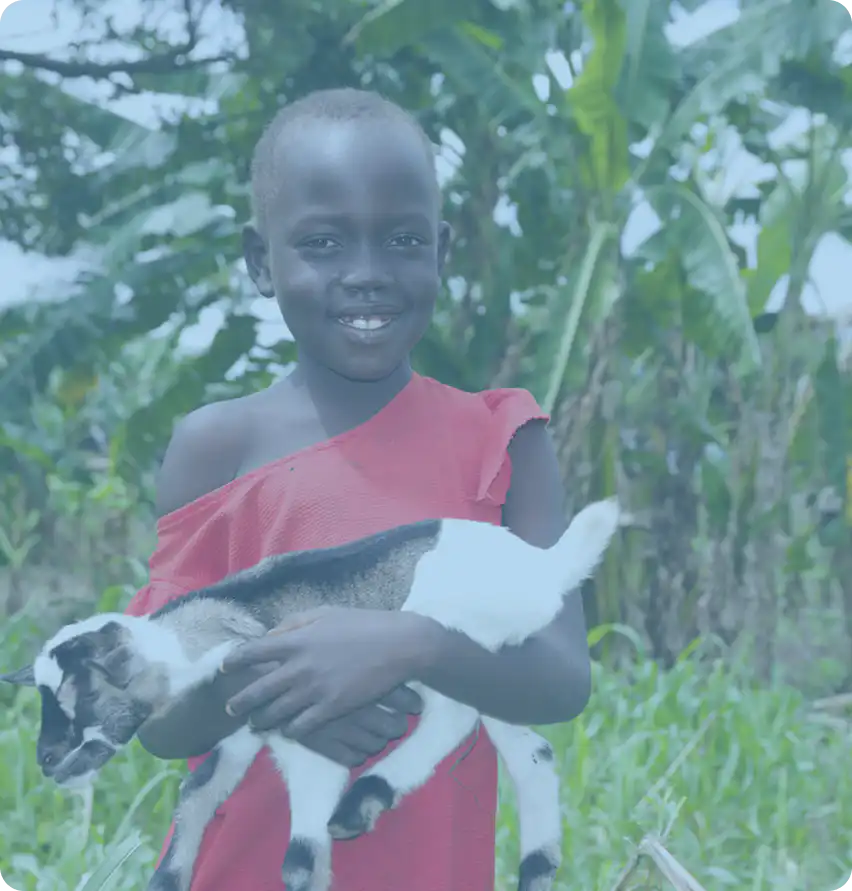
In some communities where we support projects, 91% of the population live below the poverty line with many relying on subsistence farming for food and income.
Restricted access to land (especially among most vulnerable households) and affordable loans, limited availability of farm inputs, poor road infrastructure and limited access to markets continue to trap many in poverty.
Vulnerability to climate change is exacerbated by a heavy dependence on rain-fed small-scale farming. This is further compounded by rapid population growth straining natural resources like forests, water, and land, resulting in overuse, reduced productivity, and limited arable land access. Water scarcity has worsened over time due to recurring droughts and deforestation leading to seasonal or dried-up rivers.
In some communities where we support projects, lack of sufficient teaching and learning materials, sub-standard infrastructure and limited teacher accommodation in many schools continue to limit teacher-pupil contact time.
Overworked and under-resourced, many teachers are not able to teach effectively. This has negatively affected learning outcomes for students, especially numeracy and literacy.
Poor learning environments, such as high pupil-teacher ratios, inadequate pupil latrines and textbooks, and insufficient desks and classrooms have a negative impact on the performance of primary school pupils.
Many schools lack functional latrines or adequate sanitation facilities. Water scarcity is also a challenge in many schools.
Your generosity helps us deliver essential community programs across Northern NSW and overseas. From food security to education and healthcare, every contribution makes an impact.